
A Complete Beginner’s Guide to Search Engine Optimization (SEO)
Introduction
In the world we live in today having a website is not enough. Whether you have a business, a blog, an online store or a personal portfolio people need to be able to find your website. This is where Search Engine Optimization or SEO becomes really important.
SEO is one of the ways to make your website more visible, get more visitors and grow your presence online without spending all your money on ads. It helps search engines like Google understand what your website is about. It makes it easier for people to find your website when they search for things online.
This guide is going to explain SEO in a way covering the basics why it matters, the main parts, common mistakes, important numbers and useful tools to help people who are just starting out with SEO.
What is SEO?
Search Engine Optimization or SEO is the process of making your website better so that it shows up higher in search results. The goal is to help search engines understand what your website is about and show it to people who are searching for things like what you have on your website.
When someone searches for something on Google, Bing or another search engine the search engine looks at millions of pages to figure out which ones are relevant. SEO helps make sure that your website is one of the ones that shows up in the results.
SEO is made up of things including making your website content better using the right keywords, making your website easier to navigate, making your pages load faster, getting other websites to link to yours and making your website a better place for people to visit.
In terms Search Engine Optimization helps connect the things you have on your website with the people who are looking for them. Search Engine Optimization is important because it helps people find your website when they search for things online. Search Engine Optimization is what you need to make your website visible to people who are looking for what you have.
Why SEO Matters
Search Engine Optimization or SEO is really important for success. Most people start their journey on the internet by using a search engine. Every day people search for things like products and services and solutions to problems. If your website does not show up in search results people may never find it.
There are some reasons why SEO matters. One reason is that it helps your website be more visible. When your website ranks higher in search results more people see it. The first page of search results gets most of the clicks while pages that rank lower get a lot of traffic.
SEO also helps get more people to visit your website without you having to pay for ads. This is called traffic. SEO helps bring in these visitors over time without you having to keep paying for advertising.
Another good thing about SEO is that it gives you a return on investment. Compared to ways of marketing, SEO is often a good value in the long run. Once your pages start ranking they can keep bringing in traffic for months or even years.
SEO also makes your website better for users. Good SEO practices make your website easier to use and more fun to look at. This makes users happy and more likely to come
Ultimately SEO is not just about getting your website to rank high. It helps businesses get more people to ask about their products and to buy things. This happens because SEO attracts people who are actively looking for solutions to problems.
Core Components of SEO
SEO consists of several interconnected areas. Understanding each component helps create a strong optimization strategy.
-
On-Page SEO
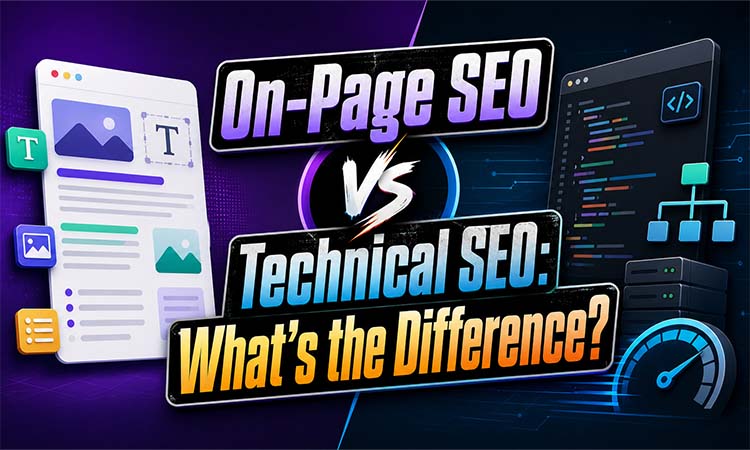
On-page SEO is about making web pages better. This includes things like the title of the page, the description of the page, headings, the quality of the content and the words you use. For example if you have a page about "How to Bake Bread" the title and headings should say that. This helps search engines understand what your page is about. It makes it easier for users to read.
-
Off-Page SEO
Off-page SEO is about things you do outside of your website that affect how it ranks. The important thing is backlinks. Backlinks are when other websites link to your website. Search engines think that backlinks from websites mean your website is trustworthy.
Examples of off-page SEO include writing guest posts for websites listing your business in directories and getting mentioned in the media. The good websites that link to your content the more trustworthy your website looks to search engines. This helps your website rank higher and get traffic. Search Engine Optimization or SEO is really important for success and it includes both on-page and off-page SEO.
-
Technical SEO
Technical SEO is about making sure the behind the scenes parts of a website are working well. This helps search engines like Google look at your website, understand what it is about and add it to their list of websites.
When we talk about Technical SEO we are talking about things like how your website loads, if it works well on mobile phones, if it is secure and if it has things like maps of your website and special data that helps search engines. A website that is technically sound is better for people who visit it and for search engines.
-
Local SEO
Local SEO is really important for businesses that serve people in an area. This helps businesses show up when people search for things like restaurants or stores in their area. To do SEO you need to do things like make a Google Business Profile, keep your business information up to date, manage what customers say about you, get listed in local directories and make content that is about your location.
Local SEO helps people who're near your business find you when they are looking for something in their area.
-
Mobile SEO
Mobile SEO is also important because a lot of people use their phones to access the internet. Mobile SEO is about making sure your website looks good and works well on phones, loads fast and is easy to use. Since search engines look at the version of your website first if it does not work well on mobile phones it can hurt your rankings.
-
Content and Keywords
You need to figure out what words people use when they search for things online. Then you can make content that answers their questions and helps them.
Good SEO content should be new, helpful, accurate, easy to read and relevant, to what people're looking for. When you have content and use keywords in a smart way you can get your website to show up when people search for important things.
Beginner's SEO Checklist
If you are new to Search Engine Optimization start with these steps. First set up Google tools by creating accounts for Google Search Console and Google Analytics. These Search Engine Optimization tools help monitor website performance. Identify optimization opportunities for your website. You should conduct keyword research using tools such as Google Keyword Planner, Ubersuggest and AnswerThePublic and find keywords that align with your audiences interests and search behavior for your website.
Optimize. Meta descriptions by creating compelling page titles and descriptions that clearly explain page content and encourage clicks on your website. Publish quality content that focuses on solving user problems and answering questions for people who visit your website. Improve linking by connecting related pages throughout your website to enhance navigation and content discovery on your website. Optimize images using file names and alt text for all images on your website.
Improve website speed by compressing images enabling caching and reducing code to improve loading times for your website. Build quality backlinks by earning links from websites through valuable content and industry relationships that benefit your website. Finally monitor results by tracking rankings, traffic and user behavior regularly. Adjusting your Search Engine Optimization strategy accordingly for your website.
Common SEO Mistakes to Avoid
Many beginners unknowingly make mistakes that limit Search Engine Optimization performance. Overusing keywords can make content difficult to read. May negatively impact rankings for your website. Targeting keywords without understanding what users actually want can result in engagement with your website. Users expect fast-loading websites and slow pages often experience bounce rates for your website.
A website that performs poorly on devices may struggle to rank effectively in Search Engine Optimization. Spammy link-building tactics can result in search engine penalties for your website. Publishing. Repetitive content can confuse search engines and dilute rankings for your website. Missing title tags, meta descriptions, image alt text and analytics tracking are also avoidable mistakes in Search Engine Optimization.
Important SEO Metrics to Track
Tracking performance helps measure Search Engine Optimization success and identify areas for improvement for your website. Monitor where your pages rank for target keywords and measure how many visitors arrive through search engines to your website. Track how often users click your listing after seeing it in search results through Click-Through Rate for your website.
A high bounce rate may indicate that content is not meeting visitor expectations for your website. Monitor user engagement metrics such as time on page pages per session and session duration for your website. Track both the number and quality of websites linking to your content through backlinks to your website. Measure conversion actions such as purchases, contact form submissions, newsletter signups and quote requests for your website.
These metrics provide a picture of how Search Engine Optimization efforts contribute to business goals for your website.
Best SEO Tools for Beginners
There are a lot of tools that can make SEO research and optimization easier. Some free tools are Google Search Console, Google Analytics, Google Keyword Planner, SEOquake and AnswerThePublic. There are also tools that're free to some extent like Ubersuggest and AnswerThePublic. Then there are tools you have to pay for like Ahrefs and SEMrush. These tools give you information about keywords, competitors, backlinks, technical issues and content opportunities.
Conclusion
SEO is a powerful way to market your website online. It helps your website get noticed get the right people to visit and keep growing over time. If you focus on the parts of SEO like making your website better, building a good reputation, fixing technical problems being visible locally making sure your website works well on mobile phones and having good content you can set yourself up for long term success.
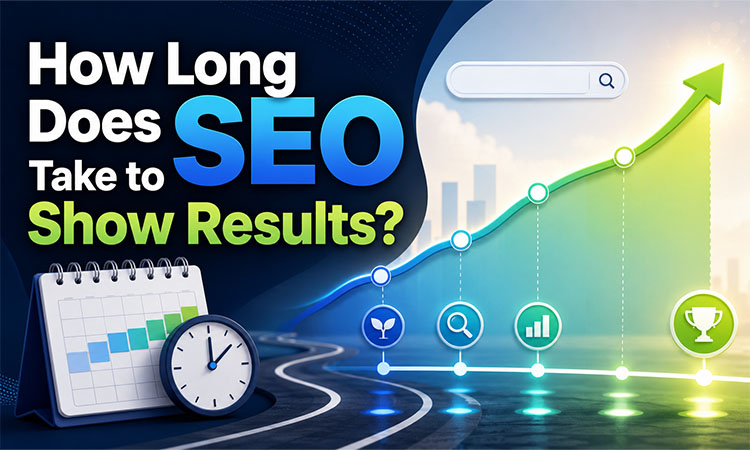
SEO does not work overnight. You have to be patient, keep at it and always try to improve.. A lot of businesses and website owners who use SEO see good results like more people visiting their website, a better experience, for users more traffic and more sales.
If you are making a website for the time or trying to grow your online presence, learning about SEO and using the best methods is a good way to reach your goals online.
Looking to improve your website’s search rankings, attract more organic traffic, and grow your online presence? UXDconsults provides professional SEO solutions tailored to help businesses achieve long-term digital success.
Contact UXDconsults today to develop a results-driven SEO strategy that increases visibility, drives qualified traffic, and supports sustainable business growth.