
Executive Summary
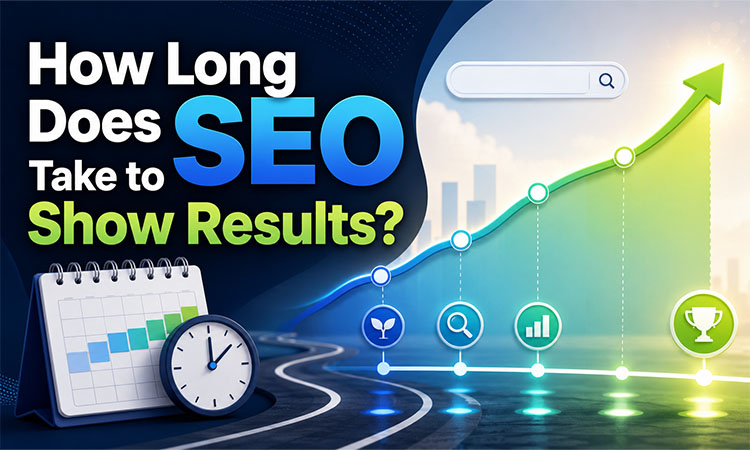
One of the common questions that businesses have is how long it takes for Search Engine Optimization to show results. The truth is that Search Engine Optimization is something that you have to invest in for a time it is not something that you can do overnight and expect to see results right away. You might start to see some improvements in a few months like 3 to 6 months but it usually takes around 6 to 12 months or even longer to see any real progress in your rankings, traffic, leads and conversions.
The amount of time it takes to see results from Search Engine Optimization depends on a lot of things like how old your website's how much competition you have how good your website is technically the quality of your content the links you have to your website and how consistent you are with your Search Engine Optimization efforts. If you have a website you have to be patient because it takes time to build trust and authority with search engines. If you have a website you can usually see improvements faster if you fix any technical problems and make your content better.
This guide is going to explain what you can really expect from Search Engine Optimization, the things that affect your results the metrics to watch some common mistakes people make and some practical things you can do to make your progress faster.
SEO Timeline: What to Expect
Months 0–3: Building the Foundation
The few months of Search Engine Optimization are all about building a strong foundation not about trying to get rankings right away.
During this time Search Engine Optimization professionals usually do a technical check of your website fix any problems with crawling and indexing make your website faster make it work better on mobile devices and update your title tags, meta descriptions, headings and internal links. If you have a business with a location you should also make sure your Google Business Profile and local listings are good.
You might not see any improvements in your rankings during this time but you might notice:
Your website is crawled and indexed better
You show up in search results more often
Your website is faster
You get a little more traffic from search engines
Your website is easier to use
Think of this time as getting your website ready for growth in the long term.
Months 3–6: Early Ranking Improvements
After a months you usually start to see some real progress from your Search Engine Optimization efforts.
The pages you optimized start to rank for keywords that're not as competitive and you start to get more traffic from search engines as they get more confident in your content. You might also start to see improvements in where you show up in search results. How many people click on your listings.
For businesses with locations this is usually when you start to show up on Google Maps more often which means you get more calls, inquiries and visits to your store.
To make the most of this time:
Keep making high-quality content
Make your existing pages better
Link to pages on your website
Get links from other relevant websites
If you are consistent during this time it can really affect how well you do in the long term.
Months 6–12: Significant Growth
After six months your Search Engine Optimization efforts start to pay off in a big way.
By this time your website has authority because of the good content, the user experience and the links you have. The pages you published earlier keep moving up in the rankings and new content helps you become more of an authority in your topic.
You might start to see:
A lot traffic from search engines
More leads that are qualified
Higher conversion rates
Better rankings for competitive keywords
A better return on your investment
Search Engine Optimization gets more effective over time because the results build on each other.
Beyond 12 Months: Long-Term Success
After a year of Search Engine Optimization many websites become authorities in their industry.
Websites that are well-maintained often dominate keywords get steady traffic from search engines and produce reliable leads without depending too much on paid advertising.
It may take some industries longer to rank for the valuable search terms but keeping your website optimized all the time will keep making your visibility and growth stronger in the long term.
You should always think of Search Engine Optimization as an investment, in your marketing not a one-time project.
Factors That Affect SEO Results
Several variables determine how quickly SEO delivers results.
Website Age and Authority
Website Age and Authority are important. Older websites with established credibility usually rank faster than domains. New websites must earn Googles trust before competing with other websites.
Competition Level
Competition Level is another factor. Competitive industries require time because many businesses already have strong authority and backlink profiles. Targeting niche or low-difficulty keywords often produces wins for the website.
Content Quality
Content Quality is also crucial. Helpful original and well-structured content that satisfies user intent generally performs better than keyword-stuffed pages. High-quality content also attracts backlinks naturally to the website.
Technical SEO
Technical SEO is important too. A fast mobile-friendly crawlable website allows search engines to index pages efficiently. Technical issues such as links, slow loading speeds, duplicate content and indexing errors can significantly delay SEO progress for the website.
Backlinks
Backlinks are important for SEO. Quality backlinks remain one of Googles ranking signals. Earning links from websites increases authority and improves ranking potential over time for the website.
Consistency
Consistency is key to SEO. SEO rewards businesses that continuously publish content monitor performance improve existing pages and build authority. Sporadic optimization usually produces results for the website.
Key SEO Metrics to Track
Measuring progress with the metrics helps determine whether your SEO strategy is working.
Important metrics include:
* Traffic
* Keyword rankings
* Search impressions
* Click-through rate
* Indexed pages
* Conversion rate
* Leads and sales
* Referring domains and backlinks
Early indicators like impressions and keyword movement usually appear before significant traffic and revenue growth for the website.
Common SEO Myths
Many unrealistic expectations come from SEO misconceptions.
"SEO Works in 30 Days"
While technical improvements can happen quickly sustainable rankings rarely develop within one month. Successful SEO campaigns require several months of consistent work.
"SEO Takes Years to Show Anything"
Although becoming an industry leader may take years measurable improvements often begin within three to six months when the strategy is properly executed.
"Publishing More Content Is Enough"
Quantity alone does not improve rankings. Helpful, relevant and user-focused content consistently outperforms volumes of low-quality articles.
"Guaranteed Rankings Exist"
No agency or consultant can guarantee first-page rankings within a timeframe because Googles algorithm considers hundreds of ranking factors.
Quick Wins vs. Long-Term SEO Strategies
Some SEO improvements generate faster results than others.
Quick wins include:
-
Fixing crawl and indexing issues
-
* Improving page speed
-
* Optimizing title tags and meta descriptions
-
* Strengthening links
-
* Updating content
-
* Optimizing Google Business Profile
Long-term strategies include:
-
* Publishing content
-
* Building authority
-
* Earning quality backlinks
-
* Creating content clusters
-
* Growing brand authority
-
* Continuously improving user experience
Combining both approaches creates Good SEO growth.
Best Tools for Measuring SEO Success
Successful SEO relies on reporting and ongoing analysis.
The widely used tools include:
* Google Analytics 4
* Google Search Console
* Ahrefs
* SEMrush
* Moz
* Screaming Frog
* Google PageSpeed Insights
Monthly reporting is generally the cadence because SEO changes gradually. Reports should focus on traffic, rankings, conversions, backlinks and business outcomes than daily fluctuations.
Six Steps to Accelerate SEO Results
You can improve SEO performance by following a process.
First perform a SEO audit to fix crawl errors improve speed and ensure proper indexing.
Then optimize on-page SEO by improving titles, headings, metadata and keyword targeting.
Next,. Expand content to better match search intent and answer user questions.
After that strengthen linking to distribute authority across important pages.
Then build high-quality backlinks through outreach, partnerships and valuable content.
Finally monitor performance regularly. Refine your strategy based on rankings, traffic and conversions.
Consistent execution across these six areas significantly improves long-term SEO performance, for the website.
SEO Timeline by Website Type
Website Type
Typical Results
New Website
Starts slowly builds authority gradually shows growth after 6 to 12 months
Established Website
Improves faster after technical improvements and content updates
Local Business
Local rankings and Google Maps visibility often get better within 3 to 6 months
E-commerce Website
Product rankings and organic sales usually grow between 6 to 12 months
Enterprise Website
Big websites need more coordination, which means longer timelines, for implementation
Final Thoughts
SEO is one of the most effective long-term digital marketing strategies but it takes patience, consistency and ongoing work. Early progress is usually seen within 3 to 6 months. Real traffic, rankings and conversions usually take 6 to 12 months to develop with even better results after the first year.
Companies that focus on SEO share useful content get quality backlinks and check their performance often see long-term growth. Of looking for quick rankings focus on creating real value over time—because the companies that keep working on SEO are the ones that get long-lasting success.