
Which Is Right for You?
Choosing the web hosting is really important for your website. It affects how fast your website loads, how secure it is, how well it can handle a lot of visitors and how much it costs. There are two options: shared hosting and VPS hosting. They are different. Suit different needs.
Shared hosting is an option for people who are just starting out. It is cheap and easy to use. VPS hosting is more powerful. Gives you more control but it costs more and you need to know a bit about technology.
This guide will help you decide which one is best for your blog, business website, online store or project.
What Is Shared Hosting?
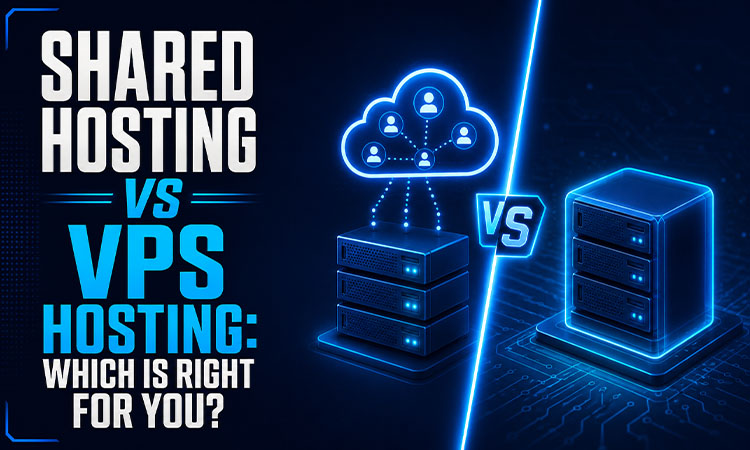
Shared hosting means that lots of websites are stored on the server. They all share things like CPU, RAM, storage and bandwidth. The company that provides the hosting takes care of the operating system, security and maintenance. You can control your website using a dashboard. You do not need to know how to manage a server.
Because lots of people share the cost of the server shared hosting is the option. It usually comes with things like SSL certificates, backups and support. Shared hosting is good for blogs, small business websites and websites that do not get too much traffic. The problem with shared hosting is that you are sharing resources with websites. If one of them gets a lot of traffic your website might slow down.
What Is VPS Hosting?
VPS stands for Private Server. It uses technology to divide a server into separate virtual environments. Each VPS is like its server, with its own CPU, RAM, storage and operating system.
VPS hosting gives you consistent performance because you have your own resources. What other people are doing on their VPS does not usually affect your website. Most VPS plans give you root access, which means you can install your software, configure firewalls and manage databases.
VPS hosting is good for websites that are growing, stores and developers. Some VPS plans are unmanaged which means you have to take care of updates, security and maintenance yourself. Managed plans are more expensive. They take care of some of those tasks for you.
Shared Hosting vs VPS Hosting: Key Differences
Cost
hosting is generally cheaper. You can get a plan for a few dollars per month. VPS hosting costs more. The price varies. You can get a VPS plan for around $4 to $10 per month but more powerful servers can cost $20 to $100 or more per month.
Performance
Shared hosting is okay for websites that do not get too much traffic.. Because you are sharing resources your website might be slow sometimes. VPS hosting gives you stable performance and can handle more visitors and bigger databases.
Scalability
Shared hosting has limits. If your website gets too big you might need to upgrade or move to a server. VPS hosting is more flexible. You can usually add resources to your VPS without having to move your website.
Security
On hosting the company that provides the hosting takes care of security and updates. This is convenient. You do not have as much control over security settings. VPS hosting gives you control over security. You can install your security software, configure firewalls and set up custom policies.. You have to make sure to keep your VPS up, to date and maintained.
Control and Customisation
Shared hosting usually gives you a control panel but you do not have root access. You cannot change server- settings or install unsupported software. VPS hosting gives you more control. You can customize your operating system, server stack, database configuration and security tools.
Management and Support
Shared hosting is usually fully taken care of by the provider. They handle the hardware, patches, server maintenance and monitoring which makes it perfect for users who want a hands-off solution.
VPS hosting can be self-managed or managed. With a self-managed VPS you are in charge of the operating system and software. Managed hosting includes assistance but it costs more.
Uptime, Backups, and Reliability
Both shared and VPS providers usually say they have an uptime of around 99.9 percent. VPS hosting often provides consistent performance because resource usage is better isolated.
Shared plans usually include weekly backups. VPS backups may need paid snapshots, third-party services or a custom backup system. If you have a website you should keep backups off-site.
When Should You Move to VPS Hosting?
You should think about moving to VPS hosting when your website slows down during peak traffic keeps reaching resource limits needs custom software or needs security controls.
Moving to VPS hosting usually involves backing up files and databases setting up the VPS restoring the website testing email and application functions and updating DNS records. To reduce downtime you should. Test the VPS before changing DNS.
Which Hosting Type Should You Choose?
You should choose shared hosting if you are a beginner have a budget run a simple website expect modest traffic and prefer the provider to handle technical maintenance. Shared hosting is perfect for blogs, portfolios, brochure websites and small businesses.
You should choose VPS hosting if your website is growing handles payments runs custom applications hosts multiple client websites or needs reliable performance and root access. VPS hosting is better for developers, agencies, larger e-commerce stores and businesses that can manage a server or pay for managed support.
Recommended Hosting Scenarios
A hobby blog or portfolio usually works well on hosting. A small business website can also stay on shared hosting unless it needs security or expects rapid growth.
A growing e-commerce store should think about VPS hosting because dedicated resources improve transaction handling, loading speed and stability. Developers benefit from VPS hosting because they can create staging environments install frameworks and manage databases.
Agencies that host multiple client websites should usually choose a VPS or managed VPS for control, resource allocation and scalability.
Final Verdict
Shared hosting is affordable, simple and convenient which makes it perfect for beginners and smaller websites. VPS hosting offers performance, improved scalability, greater control and better isolation which makes it suitable, for growing businesses and advanced projects.
Your decision should depend on traffic, budget, technical skills, security needs and future plans. You should start with shared hosting when simplicity matters most. You should move to VPS hosting when your website needs power, flexibility and room to grow.