
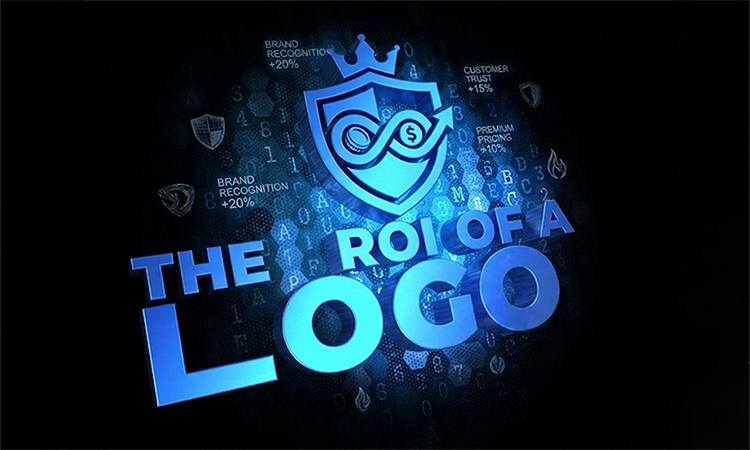
The ROI of a Logo: Why Branding Is More Than Just a Symbol
Executive Summary
The value of a logo is real. It does not exist alone. A logo is a part of a brand that helps people know, trust and remember a company across different places and ways that customers interact with the company. When a logo is used in a way within a strong brand system it helps increase the chances that customers will buy something come back to the company and help the company make money in the long run.
People who value brands show that having a brand is not just about how things look. It is also about money. Strong brands help people decide what to buy keep customers coming back and can even reduce problems for the business. This makes it possible to measure the value of a brand and understand why it is important than just having an opinion about it.
New research on marketing also shows that what a brand does over time is often more important than what it does in a time. In fact having a brand over time helps make more than half of the total profit from marketing efforts.
The main point is simple: a logo is not something to look at. It is an investment that gets better over time when it is part of a plan, used consistently and works well.
Branding ROI and What a Logo Really “Returns”
To understand the value of a brand you need to look at how brands work with money. A strong brand makes it easier for people to decide what to buy helps people like a company more. Makes them buy things from the company again.
A logo plays a role in this. It is a way for people to know a company right away. Whether they see it on a website on social media or in an advertisement. Over time seeing the logo many times helps people get used to it. Trust it.
Not all logos are worth the same. How well a logo works depends on how easy it's to tell it apart from other logos and how well people remember it. If people cannot quickly know that a logo is for a company it does not help the company make money.
This is why a logo is worth more, than how it looks. A logo that is well designed helps people remember a company reduces wasted money on marketing and helps a company stand out in a market.
How Logos Deliver ROI
The return on investment of a logo comes from its impact on customer behaviour. These effects are measurable. Directly linked to business outcomes.
Trust and credibility are one of the drivers of the return on investment of a logo. A consistent and professional logo signals reliability reducing perceived risk and increasing the likelihood of purchase when customers see the logo of a business. Businesses that build trust through branding often see improvements in sales, customer retention and overall profitability of the business.
Differentiation is another factor in the return on investment of a logo. A strong logo helps position the business in the market. The logo of a business communicates the businesss brand personality. Can influence how customers perceive the quality of the businesss products or services.
Memorability and recognition also play a role in the return on investment of a logo. When customers recognise the logo of a business quickly, they are more likely to choose the business over competitors. This reduces the cost of customer acquisition. Improves marketing efficiency for the business.
At the time poorly executed logo changes can harm the return on investment of a logo. Without testing redesigns may weaken recognition and confuse existing customers of the business. Branding decisions should always be supported by data, not assumptions, when it comes to the logo of a business.
How to Measure Logo Design ROI
Measuring the return on investment of a logo design requires a combination of term and long-term metrics. Since branding influences both conversions and future demand a single metric is not enough to measure the return on investment of a logo.
Brand lift studies are useful for measuring impact of the logo of a business. These track changes in awareness, perception and purchase intent after introducing a logo or identity of the business. They help determine whether the design of the logo improves how people see the business.
Recognition and recall metrics are equally important to measure the return on investment of a logo. A strong logo of a business should be easily. Correctly attributed to the business. Measuring both how many people recognise the logo of a business and how many link it to the business provides insight into the return on investment of the logo.
Conversion testing connects branding to revenue of the business. Testing logo placements, designs or brand elements on the website of the business can show how they affect conversion rates, engagement and sales performance of the business.
Long-term analysis is essential for understanding return on investment of a logo. Branding effects accumulate over time influencing customer loyalty, repeat purchases and pricing power of the business. Advanced methods, like marketing mix modelling can help connect brand investment to long-term profit growth of the business.
Cost vs Value: Understanding Brand Investment Returns
The cost of a logo design is clear from the start. Its value becomes clear over time. Small businesses might spend a hundred pounds on a logo while professional branding projects can cost thousands. Big rebranding efforts can cost more depending on the plan how its done and how it rolled out.
However, the real question is not "how much did the logo cost?". What value does it create?" A one-time logo investment can bring long-term benefits if it becomes a recognition asset. When supported by a brand identity system it creates consistency across all touchpoints. Improving customer experience and strengthening brand perception.
Ongoing brand investment makes this value even stronger. Marketing efforts build familiarity and trust turning the logo into a business asset. Over time this leads to customers staying with the business being less sensitive to price and increased profitability.
Businesses that invest in measurement also protect their return on investment. By tracking performance and testing changes they avoid mistakes like ineffective redesigns or inconsistent branding.
The Brand ROI Journey
Brand return on investment is not immediate. It develops in stages.
- First comes design and strategy where the logo and identity are created.
- Next is implementation, where the brand is applied across websites, products and marketing channels.
- This leads to awareness as customers begin to recognise and remember the brand.
- Over time awareness translates into conversion as familiarity reduces hesitation and improves response rates.
- Finally strong branding builds loyalty, driving repeat purchases and long-term customer relationships.
This journey highlights why branding should be viewed as a long-term investment than a quick fix.
Conclusion: Branding Is a Business Asset, Not Just Design
A logo is more than a symbol. It is a strategic asset that influences how customers perceive remember and choose your business. The return on investment of a logo comes from its ability to build trust improve recognition and support brand experiences.
However, even the strongest logo cannot deliver results on its own. It must be supported by a brand strategy, consistent execution and a reliable digital experience.
If your website is slow, unstable or frequently down you risk damaging the very brand equity you are trying to build. Reliable hosting plays a role in protecting your brand experience ensuring that customers can access your business whenever they need it.
In the end branding return on investment is about long-term value. When done right your logo becomes more, than a design. It becomes a driver of growth, trust and sustained business success.